
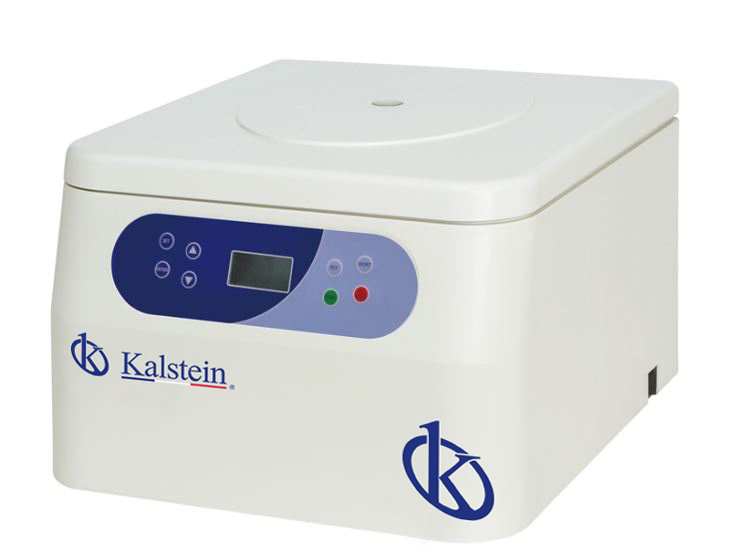
In today’s world of cutting-edge laboratory equipment, selecting the right centrifuge is crucial for ensuring accurate results in research and medical applications. Two prominent models that stand out are the Centrifuge PRP YR469 from Kalstein and the Centrifuge 5804 from Eppendorf. While both products cater to the needs of sophisticated laboratory environments, a closer look reveals subtle yet significant differences in their design, performance, and usability.
The Centrifuge PRP YR469 is an advanced piece of equipment by Kalstein, known for its specialization in laboratory technology. This centrifuge is meticulously designed to handle platelet-rich plasma (PRP) applications efficiently. On the other hand, the Centrifuge 5804 from Eppendorf is an industry staple, appreciated for its reliability and versatility across various laboratory tasks. Despite their reputations, let’s delve into the finer details that might alter a professional’s choice.
| Feature | Centrifuge PRP YR469 (Kalstein) | Centrifuge 5804 (Eppendorf) |
|---|---|---|
| Max Speed | 4,000 rpm | 20,913 x g (14,000 rpm) |
| Capacity | 4 x 50 ml | Up to 4 x 400 ml (swing-bucket rotor) |
| Display | Digital | Analog |
| Price Range | Competitive pricing | Higher pricing |
How They Work
The Centrifuge PRP YR469 by Kalstein employs a fixed-angle rotor, particularly adept at separating biological components, making it ideal for PRP and cell culture work. The Eppendorf 5804 offers a swing-bucket rotor which is flexible for a variety of applications, from clinical to research settings. Both machines deliver exceptional speed, but the YR469’s mechanism is fine-tuned specifically for PRP tasks.
What They Are Used For
The primary use of the Centrifuge PRP YR469 is in the separation of platelet-rich plasma. This makes it invaluable in medical fields requiring precise PRP concentration, such as orthopedics and cosmetic surgery. The Centrifuge 5804, however, is hailed for its versatility, accommodating a range of laboratory techniques beyond PRP, including molecular biology and microbiology.
Types
The Centrifuge PRP YR469 is categorized among specialized centrifuges focusing primarily on medical and biological applications. The Eppendorf 5804, conversely, belongs to a series of multipurpose laboratory centrifuges capable of supporting a vast array of rotors and adapters, suitable for a wider range of applications.
Market Price
In today’s competitive market, pricing plays a pivotal role in decision-making. The Centrifuge PRP YR469, with its exceptional features, is offered at a competitive price vis-à-vis its technological advantages. Alternatively, the Centrifuge 5804 by Eppendorf comes with a higher price tag, reflecting its multipurpose functionality and brand prestige. For informed decisions, consider requesting a quote through the Kalstein Plus platform which promises transparency and accuracy.
Frequently Asked Questions
What is the maximum speed of each centrifuge?
The Centrifuge PRP YR469 operates at a maximum speed of 4,000 rpm while the Centrifuge 5804 can go up to 14,000 rpm.
Can either centrifuge be used for both research and clinical lab settings?
Yes, both centrifuges are suitable for research and clinical environments, although the Kalstein model is specifically advantageous for PRP applications.
Are the centrifuges easy to maintain?
Both models offer user-friendly maintenance, but the PRP YR469’s streamlined design offers intuitive controls that simplify upkeep.
Advantages and Disadvantages
Centrifuge PRP YR469 Advantages: Specifically designed for PRP, user-friendly digital interface, competitive pricing, and high precision. Disadvantages: Limited to specific applications compared to more generalized centrifuges.
Centrifuge 5804 Advantages: Versatile, established reliability, and supports a variety of rotors. Disadvantages: Higher cost and more complex interface.
Product Use in the Field
The Centrifuge PRP YR469 finds its niche in settings where medical precision is crucial, such as cosmetic surgery clinics, orthopedic practices, and bioresearch labs focusing on cellular components. The Eppendorf 5804, due to its versatility, can be found in general research labs, hospitals, and educational institutions.
Recommendations
For optimal performance, ensure regular calibration and maintenance of the centrifuge. Following the manufacturer’s cleaning protocols will extend the life of the equipment. Moreover, users are encouraged to partake in training sessions to fully exploit the capabilities of each centrifuge. Consider generating a quote or directly contacting Kalstein via their intuitive Kalstein Plus platform for further advice.
If you are looking for a fusion of innovation and quality, you have come to the right place. At Kalstein, we offer the luxury of exploring our exclusive catalog of laboratory equipment. We manufacture each piece of equipment with a level of excellence. Our online shopping channels, intuitive and agile, are designed for your convenience, ensuring the friendliest prices. Don’t hesitate any longer, we bring science to life; it’s time to join our community. https://kalstein.com.br/product/centrifuge-prp-yr469/.