
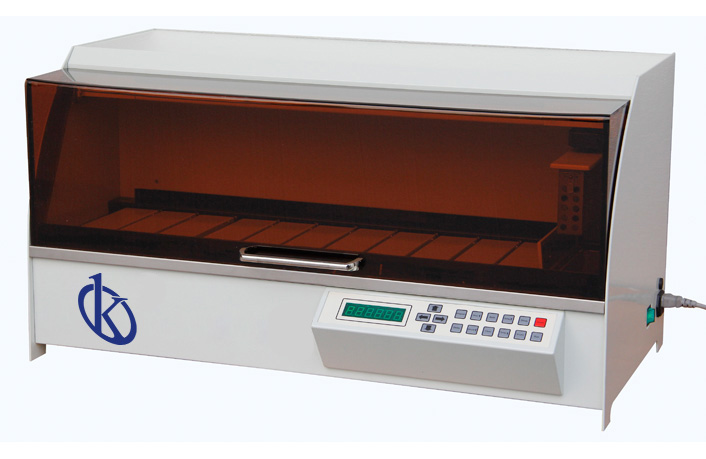
Tissue processing, Kalstein’s Expertise
Kalstein has established itself as a leader in the field of tissue processing, providing innovative solutions that cater to the demanding needs of laboratories worldwide. With a focus on precision, efficiency, and quality, their products are designed to enhance the workflow in pathological anatomy labs, ensuring accurate and reliable results. As someone who has had the opportunity to use Kalstein’s tissue processing equipment, I can attest to the company’s commitment to excellence and user satisfaction.
The company’s tissue processors are crafted with the latest technology, allowing for the meticulous handling of biological samples. This precision is crucial in the medical field, where the smallest error can lead to significant consequences. By leveraging advanced features and automation, Kalstein ensures that their tissue processors deliver exceptional performance and accuracy.
Features of Tissue Processing
Tissue processing is a complex procedure that involves preparing biological tissues for microscopic examination. Kalstein’s equipment excels in managing these processes with stunning precision. Their processors offer customizable protocols, allowing users to adjust settings according to specific laboratory requirements.
One standout feature is the rapid processing capabilities. Kalstein’s machines can significantly reduce the time needed for sample preparation, without compromising quality. This means laboratories can increase throughput while maintaining high standards, making the daily tasks of pathologists much more efficient.
Different Models of Tissue Processing
Kalstein offers a variety of tissue processing models to accommodate different scales and needs. Each model is designed with unique features to address specific challenges faced in tissue processing. Whether it’s a high-volume laboratory or a smaller setup, Kalstein has a solution that fits.
The models vary in terms of capacity, processing speed, and automation levels. Some models are tailored for routine processes, while others are meant for more sophisticated laboratory tasks that require higher precision and customization. This variety ensures that any lab can find a processor that matches their technical and budgetary requirements.
Why Tissue Processing is Priced This Way
The pricing of tissue processing equipment by Kalstein reflects the advanced technology and innovation incorporated into their design. These machines are not mere components of a lab; they are sophisticated systems that integrate cutting-edge features, which justify their cost.
Factors influencing the price include the level of automation, the capacity of the machine, and the specific technology embedded within it. Additionally, Kalstein’s commitment to providing robust customer support and after-sales services is a significant value-add that explains the premium pricing of their tissue processing solutions.
Comparison with Similar Products
When comparing Kalstein’s tissue processing products with competitors such as Leica Biosystems and Sakura Finetek, several distinctions emerge. Kalstein’s equipment often boasts better energy efficiency and more customizable processing cycles than its rivals. While Leica Biosystems provides advanced histology solutions, Kalstein offers more user-friendly interfaces and faster processing times.
Sakura Finetek, known for its precision, is often praised for its reliability, yet Kalstein stands out with its innovative features and adaptability to different laboratory requirements. The flexibility and comprehensive service package make Kalstein a preferred choice among many laboratory professionals.
Pros and Cons of Tissue Processing
| Pros | Cons |
|---|---|
| High precision in sample preparation | Initial cost can be high |
| Customizable processing protocols | Requires training for optimal use |
| Reduced processing time | Maintenance costs |
| Increased sample throughput | Space requirements |
| Advanced automation | Complex troubleshooting |
| Energy efficiency | Dependence on electricity |
| Enhanced safety features | |
| Robust customer support |
Benefits of Using These Tissue Processors
Using Kalstein’s tissue processors presents numerous benefits to laboratory operations. Firstly, they offer an excellent return on investment due to their reliability and longevity. This, in turn, reduces the frequency and cost of maintenance over the lifespan of the equipment.
Moreover, they enhance the efficiency of laboratory workflows by reducing manual handling and accelerating processing times. This efficiency allows laboratory teams to handle larger volumes of samples with ease and agility, ultimately improving diagnostic outcomes.
Other Advantages of Tissue Processing
Beyond efficiency and precision, Kalstein’s tissue processors also contribute to safety within the lab environment. With integrated safety mechanisms, these processors help mitigate risks associated with chemical exposure or mechanical failure, protecting both samples and operators.
Additionally, the design of these processors prioritizes user comfort and convenience. With intuitive interfaces and clear instructions, laboratory personnel can operate the machinery with minimal risk of error, further enhancing the speed and reliability of the tissue processing cycle.
Testimonials from Users About Tissue Processing
User feedback on Kalstein’s tissue processing products is overwhelmingly positive. Many laboratory technicians and pathologists appreciate the intuitive operation and robust build of these machines, which streamline their daily tasks.
One user mentioned, “The quality of Kalstein’s tissue processors is unmatched in terms of processing speed and clarity of results. It has significantly reduced our workload and error margin.” Such testimonials highlight the real-world impact and trust the brand has garnered among professionals.
Frequently Asked Questions
What features make Kalstein’s tissue processors stand out?
Kalstein’s tissue processors are renowned for their precision, customizable protocols, and rapid processing times, making them an ideal choice for various lab requirements.
Are Kalstein’s tissue processors energy-efficient?
Yes, these processors are designed to be energy-efficient, reducing operational costs and supporting sustainable laboratory practices.
What support is available after purchasing a tissue processor?
Kalstein provides robust after-sales support, including training, maintenance, and technical assistance to ensure optimal performance of their equipment.
How do Kalstein tissue processors enhance laboratory workflow?
By reducing manual handling and accelerating sample preparation, these processors significantly enhance efficiency and throughput in labs.
Can Kalstein’s tissue processors handle high-volume lab needs?
Absolutely, various models are equipped to manage high-volume requirements, making them suitable for both large and small laboratories.
What safety features are included in Kalstein’s tissue processors?
These processors incorporate advanced safety mechanisms to protect users and samples, reducing risks associated with chemical exposure.
Final Recommendations on Tissue Processing
In conclusion, Kalstein’s tissue processing solutions stand out in the pathology field for their innovation, efficiency, and reliability. Whether for a large-scale laboratory or a smaller setup, the company offers diverse models that promise precision and user satisfaction. Investing in a Kalstein tissue processor is a decision that can lead to improved laboratory outcomes and increased workflow efficiency, making it a top choice for professionals seeking cutting-edge laboratory equipment. For further information, visit Kalstein’s Tissue Processing.